What families ask me before we start
Design and production admissions works differently from acting admissions, and almost nobody explains it. These are the questions I get most, answered as directly as I can.
Getting started
What is theatre design and production, and is it a real major? +
It is the whole of theatre that is not acting: scenic, costume, lighting, sound, and projection design, plus stage management, technical direction, and production management. Every one of those is a degree program at major universities and conservatories, and every one of them leads to paid professional work. It is one of the few arts fields where the technical training transfers directly into film, television, live events, and themed entertainment.
Can my child make a living doing this? +
Yes. This training builds hard skills that are in demand across theatre, film, television, live events, and themed entertainment. It also builds the skills employers say are hardest to find: time management, collaboration, project management, and communication on a deadline that does not move. Even if your student changes their mind and never touches theatre again, they will enter the workforce prepared in a way few other majors can match. The Strategic National Arts Alumni Project, which has surveyed more than 200,000 arts graduates from over 300 institutions, is the best public data on where these degrees actually lead.
When should we start preparing? +
Sophomore or junior year is ideal, because a portfolio is built out of real production work and that takes time to accumulate. Senior fall is not too late, but the work shifts from building the body of work to presenting what already exists as strongly as possible. If your student is a sophomore, the most useful thing they can do this year is get on more shows and document everything.
My student is interested but has not done much yet. Is it too late? +
Usually not. Design and production admissions rewards potential and thinking more than volume, partly because reviewers know that high school access varies enormously. A student with three thoughtfully documented projects often reads stronger than one with twelve undocumented credits. Where a student actually stands is usually clearer after twenty minutes of conversation than after any checklist.
How different are portfolio requirements from school to school? +
Different enough that sending the same file everywhere is the most common mistake I see. Format, quantity, and what reviewers weight most all vary, and a few programs ask for things that surprise people. Which of those differences matter depends entirely on your student's list, so it is one of the first things we map together.
Conservatory or university? +
Usually the most consequential decision in the process, and it has almost nothing to do with prestige. The same student can be excellent in one setting and miserable in the other. I ask how a student likes to spend a Tuesday before I ask about their dream school, and that answer settles it faster than any ranking.
Working with me
Can you guarantee admission? +
No, and anyone who does is selling something else. Admissions decisions belong to the programs. What I can do is make sure the student presents the strongest and most honest version of their work, applies to schools where they genuinely fit, and walks into interviews prepared.
Do we have to be at Interlochen to work with you? +
No. Coaching is independent of my role at Interlochen Arts Academy and I work with students anywhere. Sessions happen remotely.
How does a first conversation work? +
It is free and unhurried. Tell me where the student is and what they want to make. If I am not the right person, I will say so and point you somewhere better.
Who is in the room, the student or the parents? +
Both, at different times. The work belongs to the student and most sessions are with them directly. Parents need clarity on timeline, cost, and what a career in this field actually looks like, and those conversations are worth having openly rather than in the hallway afterward.
Ask me the question that is not on this page.
The first conversation is free, and I will tell you honestly whether I am the right fit.
Let's work together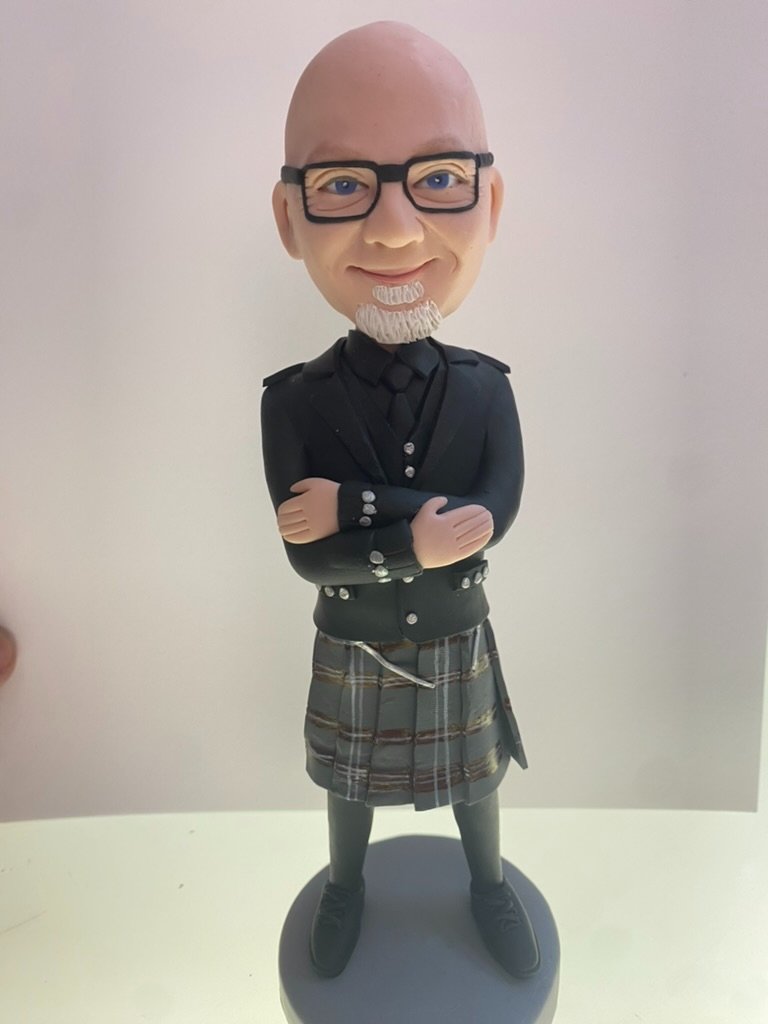
A former class had this made of me. I keep it on the desk as a reminder not to take myself too seriously.